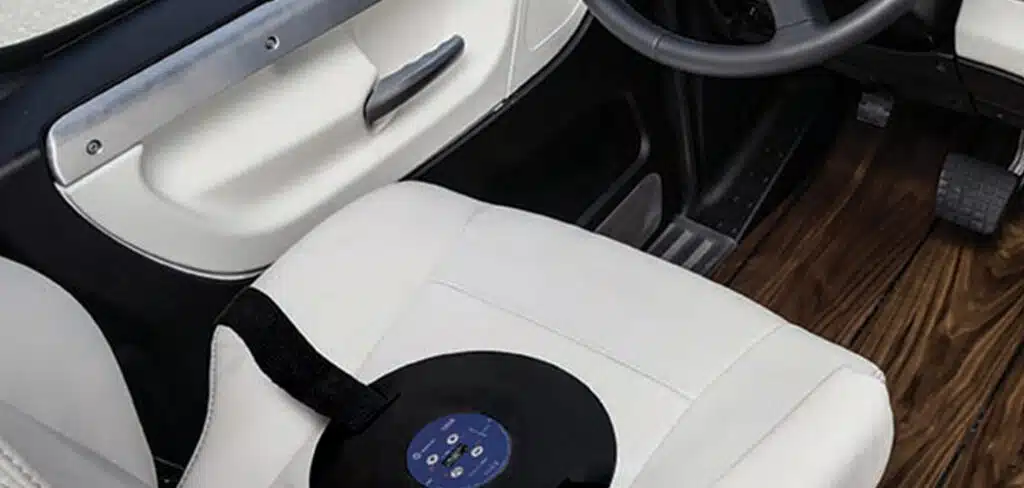
Whole-body vibration (WBV) in vehicles is primarily measured according to the guidelines outlined in ISO 2631-1, which emphasizes the inclusion of frequency content and changes in conditions over time in measurement reports. This standard suggests a comprehensive approach to capturing the dynamics of WBV exposure, taking into account both the intensity and variability of vibrations that individuals may experience in vehicles. Despite these detailed guidelines, traditional measurement practices often rely on data collected under reference conditions, without adequate consideration of variables such as vehicle speed and road quality. This approach can result in an inaccurate representation of actual vibration exposure levels, under- or overestimating them.
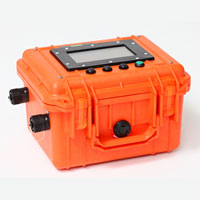
In response to these limitations, the appearance of advanced vibration dosimeters by ISO 8041-2 has revolutionized the assessment process by integrating GPS data to correlate specific locations with measured vibration levels. By plotting these data points on a map with color-coded routes indicating the magnitude of vibration, these tools offer a visually intuitive and precise method for assessing WBV risk. This innovative approach not only improves the accuracy of WBV exposure assessments by incorporating vehicle speed and route information but also provides a powerful means to predict A(8) vibration exposure – a metric for WBV assessment over eight hours. As a result, it significantly improves the reliability of WBV risk assessment in moving vehicles, enabling targeted interventions to mitigate exposure.